Bringing the intricate, often dark, and always whimsical world of Roald Dahl to life outside the pages of a book is no small feat. It requires a delicate touch, a keen understanding of his unique voice, and a fearless embrace of the fantastical. For the musical adaptation of "James and the Giant Peach: Adapting Roald Dahl" for the stage, creators faced the challenge of translating a boy's magical journey with oversized insects across an ocean on a piece of fruit into a captivating theatrical experience. The result? A "masterpeach" hailed by critics, showcasing how deeply resonant Dahl's stories remain, especially when given the right artistic interpretation.
This isn't just a summary; it's a dive into the clever craft and creative choices that made this musical a success, offering insights into how to tackle big, imaginative stories for the stage.
At a Glance: Unpacking the Giant Peach Adaptation
- The Musical Masterminds: Discover how Tony Award-nominated Pasek and Paul (score) and Timothy Allen McDonald (book) brought Dahl's vision to life.
- Capturing Dahl's Essence: Learn how the musical balances the author's signature blend of dark humor, childlike wonder, and profound emotional depth.
- Characters Reimagined: See how James, his cruel aunts, and the eccentric insect crew translate into dynamic, singing stage personalities.
- Stagecraft Secrets: Explore the creative solutions employed to depict a rolling peach, an ocean voyage, and daring escapades on stage.
- Thematic Resonance: Understand the enduring messages of family, courage, and finding your place in the world, amplified through song and performance.
The Magic Behind the Musical: James and the Giant Peach on Stage
Roald Dahl's "James and the Giant Peach" has enchanted generations with its tale of James Henry Trotter, an orphaned boy who escapes his miserable life with two cruel aunts by embarking on an extraordinary adventure. His companions? A band of human-sized insects living inside an enormous peach. This fantastical premise, rich with imagination and a touch of the macabre, seems ripe for adaptation, but its very grandiosity presents a significant hurdle. How do you stage a giant peach rolling through the countryside, floating across the Atlantic, and ultimately landing atop the Empire State Building?
The answer, as proven by this acclaimed musical, lies in clever storytelling, evocative music, and a deep appreciation for Dahl's original genius. Spearheaded by the songwriting duo Pasek and Paul, whose later work on "Dear Evan Hansen" and "The Greatest Showman" solidified their place in contemporary musical theatre, and with a book by Timothy Allen McDonald, the stage adaptation embraces the theatricality inherent in Dahl's narrative. It takes the core elements—a suffering child, unexpected magic, and an unlikely family—and amplifies them through song and spectacle, creating an experience that's both faithful to the book and uniquely its own.
From Page to Stage: Capturing Dahl's Whimsical Darkness
Dahl's writing style is unmistakable: a mischievous blend of wit, vivid imagery, and a keen understanding of a child's perspective, often tempered with a healthy dose of darkness. "James and the Giant Peach" is no exception. It begins with the truly awful plight of James, cruelly mistreated by Aunt Sponge and Aunt Spiker after his parents' tragic death. This miserable start sets the stage for a dramatic escape into pure fantasy, a hallmark of Dahl's storytelling that appeals deeply to young readers who might feel similarly overwhelmed by the world.
The musical adaptation excels at maintaining this delicate balance. It doesn't shy away from the aunts' cruelty, ensuring the audience fully appreciates James's desperation and the urgency of his magical escape. However, it quickly transitions into the vibrant, joyous, and sometimes chaotic world inside the peach. Pasek and Paul's score masterfully navigates these emotional shifts, moving from poignant ballads reflecting James's loneliness to rousing ensemble numbers celebrating the insects' newfound freedom and camaraderie. The clever use of lyrical narrative and catchy melodies ensures that the whimsical nature of the journey never overshadows the underlying stakes.
A "Masterpeach" Indeed: What Makes This Adaptation Shine
Critics weren't wrong when they dubbed this musical a "masterpeach." The collaboration between Pasek and Paul and Timothy Allen McDonald created a theatrical experience that feels both familiar and fresh. McDonald's book efficiently condenses the novel's sprawling adventure while retaining its essential charm and emotional beats. He ensures that James’s journey of self-discovery and the evolving relationships among the insect crew remain at the forefront.
What truly elevates the adaptation is the score. Pasek and Paul have a knack for crafting songs that are immediately engaging and deeply character-driven. Each insect, from the proud Centipede to the wise Old-Green-Grasshopper, gets moments to shine, their personalities bursting forth through song. This musical approach allows for deeper emotional exploration and provides a dynamic way to showcase the distinct traits of each character, making them memorable long after the curtain falls. The songs don't just advance the plot; they reveal the inner lives and desires of the characters, drawing the audience further into their fantastical world.
Meet the Crew: Bringing Oversized Personalities to Life
One of the greatest joys of Dahl's "James and the Giant Peach" lies in its eccentric cast of characters, particularly the insect friends. Adapting these distinct personalities for the stage requires not just vocal talent but also clever costume design and nuanced acting to capture their essence. The musical version embraces this challenge, creating a memorable ensemble that audiences quickly grow to love.
James Henry Trotter: The Heart of the Adventure
At the center of it all is James Henry Trotter. He begins as a timid, miserable orphan, but through his journey, he blossoms into a brave, resourceful leader. On stage, the actor playing James must convey this profound transformation, anchoring the fantastical elements with genuine human emotion. His quick wit and creative thinking are pivotal to the group's survival, and these qualities are often highlighted through his interactions and problem-solving songs. He's the audience's surrogate, experiencing the wonder and terror of the journey right alongside them, and his resilience is truly inspiring.
The Villains We Love to Hate: Aunt Sponge and Aunt Spiker
No Dahl story is complete without deliciously wicked villains, and Aunt Sponge and Aunt Spiker fit the bill perfectly. These two mean aunts, with their petty squabbles and cruel treatment of James, provide the necessary antagonist force. On stage, their exaggerated personalities and grotesque behavior are played for comedic effect, often eliciting laughter even as they repel. Their songs are typically sharp, self-serving, and often quite funny, effectively setting the miserable stakes from which James desperately needs to escape. They are caricatures, larger-than-life villains essential for emphasizing James's eventual freedom and joy.
The Unlikely Family: Giving Voice to the Insects
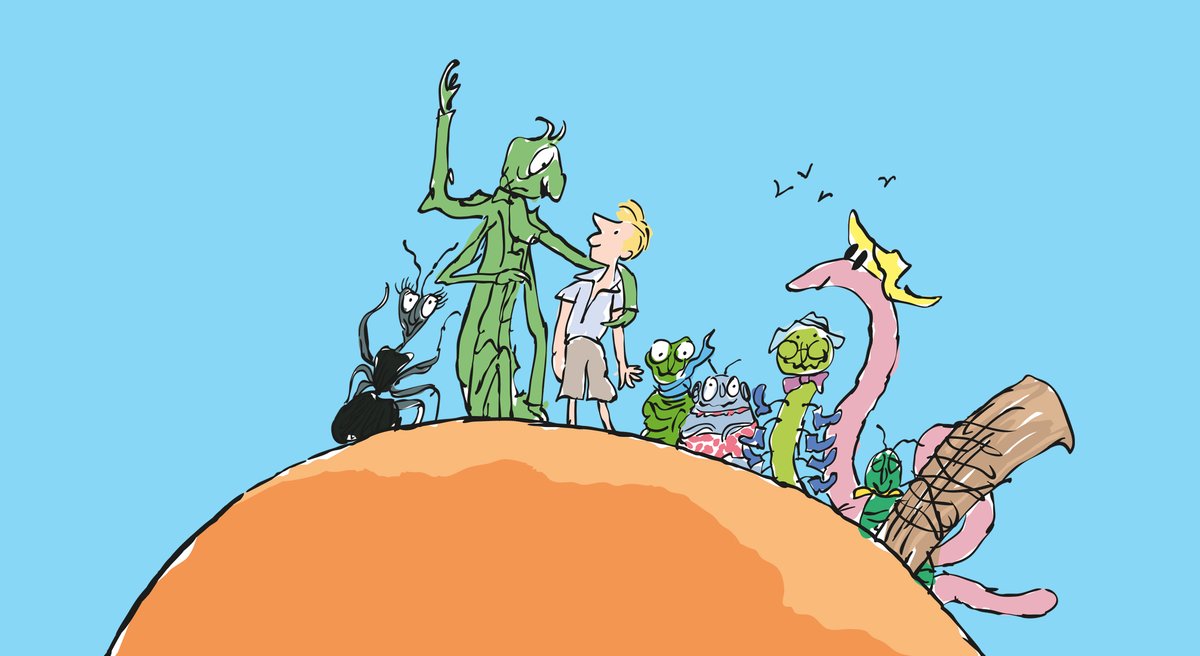
The insects are the true stars of the show, a motley crew that becomes James's chosen family. Each character possesses a unique set of traits and contributions, all brought vividly to life in the musical.
- Old-Green-Grasshopper: A wise, grandfatherly figure, his unappreciated musical skills and calm demeanor offer a grounding presence. On stage, he’s often the voice of reason, providing guidance to James.
- Centipede: The proud pest with 42 legs, Centipede is a source of boundless energy, joy, and often, trouble. His jokes and songs are central to the musical's comedic relief, showcasing his boisterous personality.
- Miss Spider: A helpful creature, her incredible thread aids in numerous sticky situations. Her stage presence often conveys a maternal warmth and practical sensibility, making her an invaluable member of the crew.
- Earthworm: Serious and proud not to be a pest, Earthworm often plays the role of the worrier, loved by gardeners for his diligence. His anxieties can be a source of humor and provide a counterpoint to Centipede's exuberance.
- Ladybird: A kind and comforting friend to James, she offers solace during frightening moments. Her character often embodies empathy and tenderness, providing emotional support to the young protagonist.
- Silkworm: Quiet but invaluable, her silk-spinning helps resolve difficult situations. Though less vocal, her presence is crucial for plot advancement, often through clever staging of her abilities.
- Glow-worm: Providing the main source of light aboard the Giant Peach, Glow-worm spends much time sleeping, offering a touch of sleepy charm and practical utility.
Bringing these characters to life onstage requires ingenious costuming, puppetry (perhaps for the smaller insects), and performers who can embody their exaggerated traits without losing their underlying humanity. The musical shines in giving each of these distinctive voices their moment, fostering a genuine sense of ensemble.
The Perilous Journey: Recreating a Giant Adventure Onstage
The journey itself is perhaps the most audacious element of Dahl's story, presenting considerable challenges for any stage adaptation. How do you realistically depict a peach the size of a house, its escape from the tree, its roll through the countryside, and its subsequent voyage across the Atlantic Ocean?
The musical adaptation tackles these challenges with theatrical ingenuity rather than literal replication. Instead of striving for hyper-realism, it leverages the magic of the stage. Scrims, projections, clever lighting, and set pieces are used to suggest the enormous scale of the peach and the vastness of the ocean. Movement and sound design become critical in conveying the peach rolling into the water or bobbing amidst sharks. For instance, the shark attack scene, a truly frightening moment in the book, is handled with a blend of tension and creative staging, often employing shadow play or stylized puppetry to evoke the danger without needing actual sharks.
The culminating landing on the Empire State Building is typically a moment of spectacular theatricality, using vertical staging and clever perspective to create the illusion of height and wonder. The genius lies in knowing what to show, what to suggest, and what to leave to the audience's imagination, guiding them through the adventure without breaking the spell.
Beyond the Waves: Thematic Resonance in the Adaptation
Beneath the fantastical surface, "James and the Giant Peach" carries profound themes that resonate deeply, and the musical format amplifies them.
- Chosen Family: James finds true belonging not with his blood relatives, but with his insect companions. The songs often highlight their growing bond, celebrating their differences and their unwavering support for one another. This theme is incredibly powerful for young audiences, emphasizing that family isn't always about who you're born to, but who you choose and who chooses you.
- Resilience and Courage: Despite his initial timidity, James continually faces danger with bravery and ingenuity. The musical showcases his growth, turning moments of fear into opportunities for him to rise to the occasion, often with a clever solution or a reassuring song from his friends.
- Imagination as Escape: The entire adventure is an escape from a grim reality. The musical encourages audiences to embrace their own imaginations as a source of strength and wonder, suggesting that even in the darkest times, extraordinary possibilities await.
- Cooperation and Friendship: The insects, despite their squabbles, learn to work together, pooling their unique talents to survive. This message of teamwork and mutual respect is clearly articulated through their collective efforts and harmonious songs.
The adaptation doesn't just entertain; it gently teaches these invaluable lessons, making the journey across the ocean a voyage of personal growth for James and a collective lesson for his new family. For a deeper dive into the challenges of bringing complex characters to screen, you might be interested in exploring Explore Henry Selicks filmography, whose work also often deals with fantastical adaptations.
Crafting the Score: Pasek and Paul's Musical Vision
Benj Pasek and Justin Paul are masters of crafting scores that are both contemporary and timeless, capable of conveying deep emotion and driving narrative forward. Their work on "James and the Giant Peach" predates some of their larger commercial successes, but it already showcases their signature strengths.
Their score for "James" is bright, melodic, and incredibly adaptable, moving seamlessly from the melancholic laments of James to the rambunctious anthems of Centipede. They employ a rich tapestry of musical styles, ensuring that each song feels distinct and perfectly matched to the character singing it or the moment it describes. The lyrics are witty, often mirroring Dahl's own playful language, while also being profoundly heartfelt. They capture the humor of the situation (like the aunts' vanity) and the genuine longing and fear that James experiences.
What makes their musical vision particularly strong for Dahl's world is their ability to write songs that are inherently theatrical. They understand that a musical number needs to propel the story, reveal character, and create a memorable moment—all at once. This is evident in ensemble pieces where the insects bicker and bond in harmony, or in James's solo moments of reflection that draw the audience deep into his inner world. Their contributions are undoubtedly one of the primary reasons this adaptation is celebrated as a significant achievement.
Why Adapting Roald Dahl Is a Tightrope Walk (And How Peach Nails It)
Adapting Roald Dahl's works is notoriously tricky. His stories are beloved, but their specific blend of dark humor, grotesque characters, and fantastical plots can easily go awry if mishandled. Here are some of the inherent difficulties and how the "James and the Giant Peach" musical expertly navigates them:
- Balancing Whimsy with Darkness: Dahl never shied away from the grim realities children often face, even in a fantastical context. The musical adaptation manages this by allowing the cruelty of the aunts to be truly awful but swiftly transitioning to the magical escape. The darkness serves to heighten the contrast with the joy and freedom found within the peach. It never lingers too long, but its impact is felt.
- Maintaining the Scale of Imagination: Dahl's imagination is boundless. From a peach the size of a house to cloud-men who paint rainbows, his creations are enormous. The stage adaptation doesn't try to literally replicate everything, which would be impossible and likely look cheap. Instead, it uses intelligent stagecraft—lighting, sound, projections, and creative set pieces—to suggest the scale, inviting the audience's imagination to do the rest. This collaborative approach with the audience is vital for live theatre.
- Preserving Distinct Character Voices: Each of Dahl's characters has a unique voice and personality. The musical succeeds by giving each insect friend their own musical numbers and distinct lyrical styles, making them immediately recognizable and endearing. The Pasek and Paul score is crucial here, as it allows for individual character expression through song. You can see similar attention to detail when looking at how other stories develop their characters for varying media; for example, understanding the intricacies of Peta Karakter dalam Film Pahlawan Super can show how creators balance ensemble needs with individual arcs.
- Engaging Both Children and Adults: Dahl's stories appeal across generations. The musical does the same by including sophisticated humor for adults alongside accessible themes and catchy tunes for children. The emotional core of finding family and overcoming adversity resonates with everyone, regardless of age.
- Translating Narrative Pace to Musical Structure: A novel can take its time; a musical needs to maintain energy and move the plot forward efficiently. Timothy Allen McDonald's book is key here, distilling the novel's events into a cohesive three-act structure (or two, depending on production) that keeps the audience engaged without feeling rushed or overwhelmed. The seamless integration of dialogue and song ensures a smooth narrative flow.
By addressing these challenges head-on with creativity and respect for the source material, the "James and the Giant Peach" musical stands as a shining example of how to adapt a beloved, complex children's classic for the stage. It's an interesting parallel to consider how stories are sometimes reimagined in completely new forms, such as when thinking about the cultural impact of remake film Indonesia terlaris and how they balance fidelity with fresh perspectives.
Beyond the Footlights: The Lasting Impact of James and the Giant Peach
The musical adaptation of "James and the Giant Peach" isn't just a fleeting theatrical experience; it leaves a lasting impression on audiences and contributes significantly to the legacy of Roald Dahl's work. It provides an accessible entry point for new generations to discover the magic of James's story, often inspiring them to pick up the original book.
For young aspiring performers and theatre enthusiasts, the musical offers invaluable lessons in storytelling, character development, and the power of collaboration. Its themes of resilience, chosen family, and the courage to face the unknown are timeless and universally relevant, making it a valuable piece of educational theatre. The joy it brings, the laughter it elicits, and the moments of genuine emotion it evokes solidify its place as a truly cherished adaptation. Its success serves as a testament to the enduring appeal of Dahl's unique narrative voice and the boundless possibilities of theatrical interpretation.
Just as this musical took a beloved story and found a new way to share it, other mediums are constantly seeking fresh approaches to narrative. For instance, exploring the nuanced world of konsep film Indonesia yang berbeda shows how local storytelling can innovate within global frameworks.
Ready for Your Own Giant Adventure?
Whether you're a lifelong Roald Dahl fan or new to the whimsical world of James Henry Trotter, the stage adaptation of "James and the Giant Peach" offers a truly enchanting experience. It's a testament to the power of imaginative storytelling and the magic that happens when dedicated artists bring a beloved tale to life.
If you haven't seen it, seek out a local production or explore recordings of past performances. Dive back into the original novel to appreciate the source material's enduring charm. Consider how different artistic mediums interpret a single story, and how each version adds new layers of understanding and enjoyment. Your own journey into the world of adapting Roald Dahl might just begin with a single, giant peach.